TOMATO: TOwards a MArket of ni-free TOmato
Objective
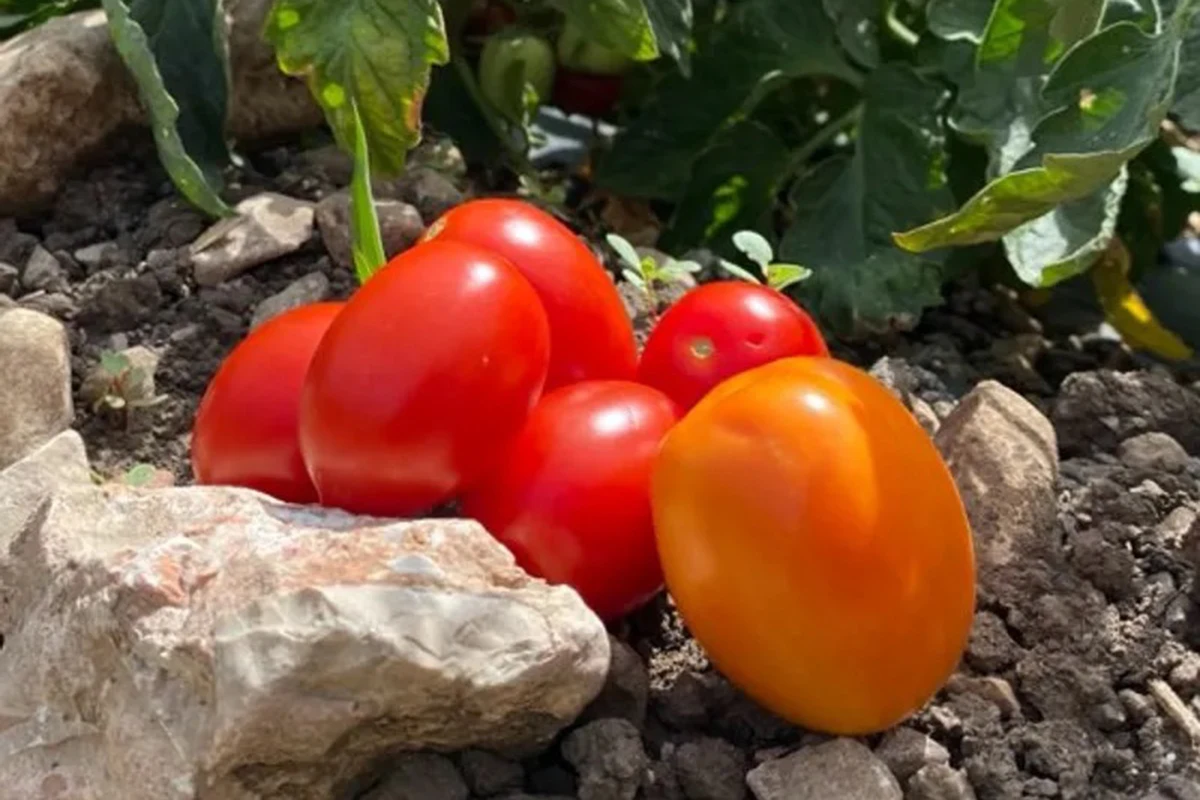
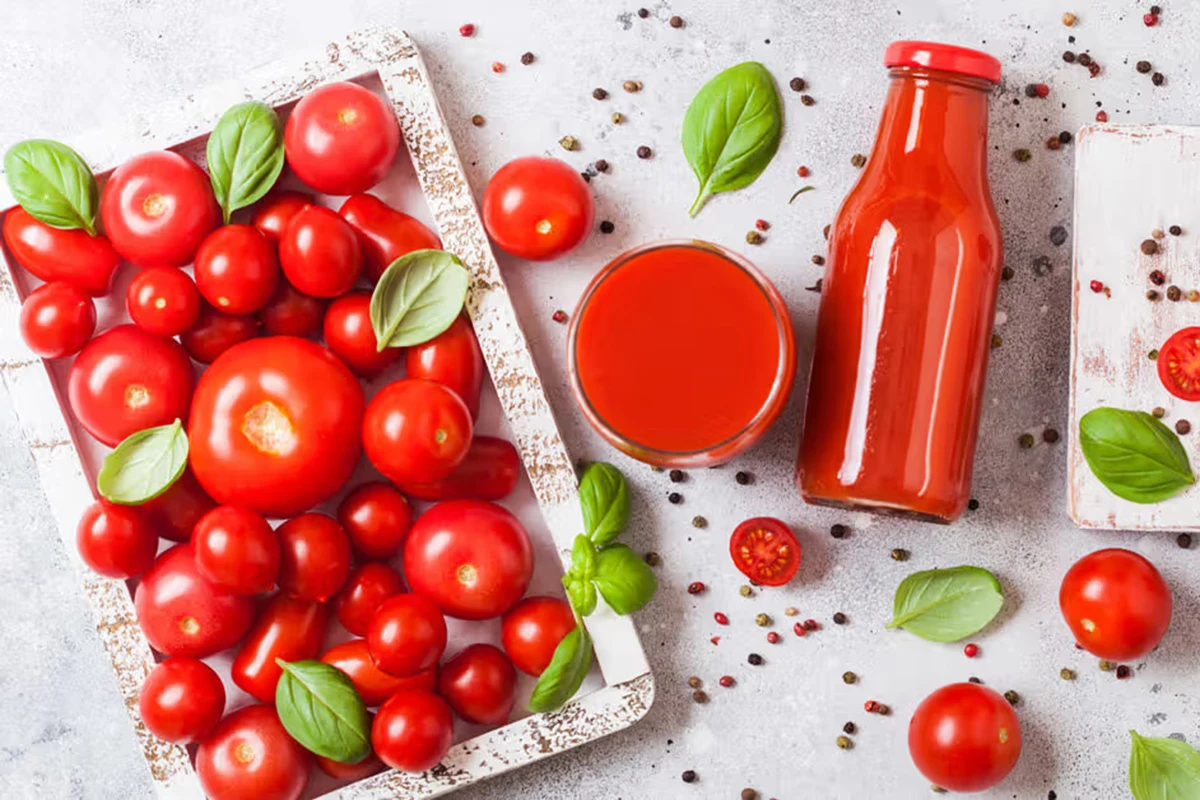
The project aims to develop a controlled supply chain for the production of tomatoes with extremely low nickel content, ensuring a safer product for consumers sensitive to this metal. Tomatoes, in fact, are among the foods that can accumulate significant amounts of nickel, mainly through soil and irrigation water.
The project activities included the selection of naturally low-nickel genotypes, with particular focus on the Cuore di Bue variety, which is typical of the region. The most suitable agricultural areas were identified through audits, site inspections, and sampling, assessing nickel levels in soils and water, as well as different cultivation methods (soil-based and soilless systems).
Production guidelines and a best practices manual were also developed and tailored for the participating companies, with the aim of reducing the transfer of nickel from the environment to the plant. Continuous monitoring throughout all stages of the supply chain ensures a controlled product suitable for individuals intolerant or sensitive to nickel.

LOCATION & PERIOD
Sept. 2022 – Italy
CALL
Project funded under the Regional Rural Development Programme 2014–2020, Measure 16.01, aimed at producing a hypoallergenic table tomato for the approximately 20% of European consumers affected by nickel (Ni) allergy (ESCCA 2009–2012).
FOCUS
The project was developed through collaboration between MICAMO LAB, the University of Genoa (DISTAV), Coldiretti, and five agricultural companies (one nursery and four farmers). The goal is to create a controlled supply chain capable of delivering tomatoes with very low nickel content. Tomatoes are among the foods that tend to contain higher levels of this metal, as they readily absorb it from the soil.